What to Pack on a Safari to Kruger National Park – The Ultimate Detailed Guide
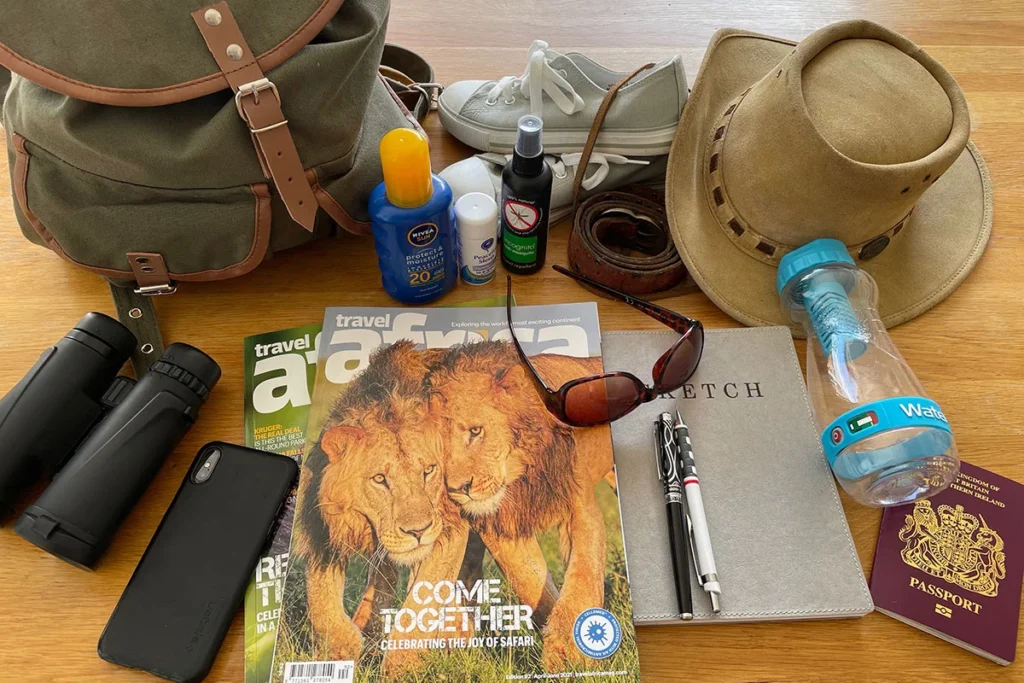
What to Pack on a Safari to Kruger National Park, Packing for a safari to Kruger National Park is about preparation, comfort, and practicality rather than style. Kruger is a true wilderness destination, yet it is supported by excellent infrastructure, especially in rest camps. Knowing exactly what to bring ensures you stay comfortable during long game drives, early mornings, hot afternoons, and cool evenings while focusing fully on the wildlife experience.
This detailed guide covers everything you should pack, why it matters, and how to adapt your packing to different seasons and travel styles.
Clothing Essentials for a Kruger Safari
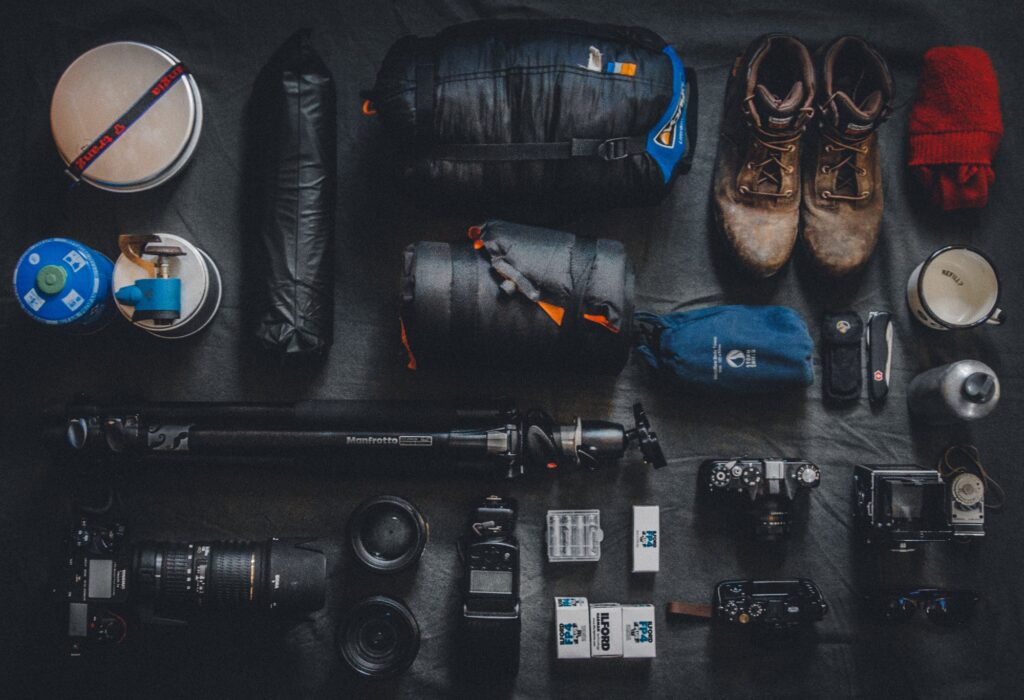
Clothing choices directly affect your comfort on safari. Kruger’s climate can shift dramatically between early mornings, midday heat, and evening drives.
Lightweight, breathable clothing is essential. Cotton and moisture-wicking fabrics work best in Kruger’s warm conditions. Neutral colors such as khaki, beige, olive, and brown help you blend into the environment and reduce insect attraction. Bright colors, white, and dark black clothing are best avoided.
For daytime game drives, pack short-sleeved shirts, lightweight long-sleeved tops for sun protection, and comfortable trousers or safari-style pants. Long sleeves are especially useful for protecting arms from sun and insects.
Early mornings and evenings can be surprisingly cold, particularly from May to August. A warm fleece, insulated jacket, or windbreaker is essential for open vehicles. Layering is key, allowing you to remove clothing as the day warms.
Comfortable closed shoes are ideal for game drives, walking around camps, and using picnic sites. Breathable trainers or light hiking shoes work well. Sandals or flip-flops are useful inside rest camps but should never replace proper footwear during activities.
Sleepwear should be light in summer and warmer in winter, especially if staying in tents or chalets where night temperatures drop.
Safari Accessories That Make a Big Difference
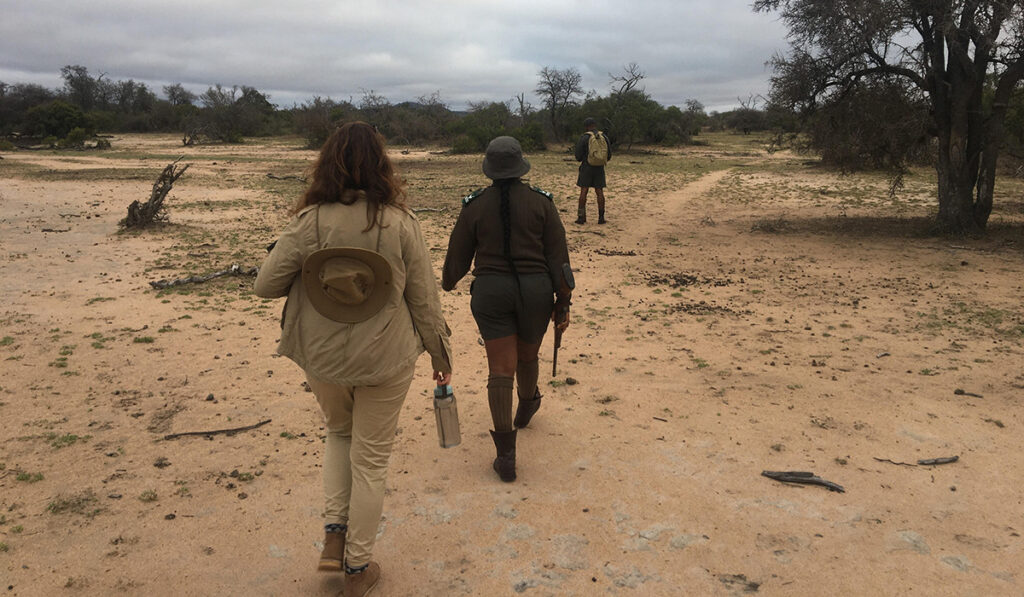
Binoculars are one of the most important safari items you can pack. Wildlife often appears at a distance, and binoculars allow you to see details such as leopard spots in trees, birds along riverbanks, and predators resting in tall grass. Each traveler ideally should have their own pair.
A wide-brimmed hat protects your face, neck, and ears from strong sunlight. Sunglasses with UV protection reduce glare, especially during midday drives.
A lightweight daypack or small backpack is useful for carrying water, cameras, sunscreen, insect repellent, and personal items during game drives and stops.
A reusable water bottle is essential. Staying hydrated is critical, especially during summer months when temperatures rise above 30°C.
Camera Gear and Electronics
Kruger National Park offers exceptional photography opportunities. A camera with a zoom lens allows you to capture animals at a safe distance. Even if you rely on a smartphone, the quality of sightings makes photography rewarding.
Pack extra memory cards, spare batteries, charging cables, and a power bank. Power is available at most rest camps, but outages can occur, especially in remote areas.
A headlamp or torch is very useful at night in rest camps, particularly when walking between accommodation, restaurants, and ablution facilities after dark.
Adapters are generally not required for South Africa if your plugs are compatible, but it is wise to check in advance.
Health, Medical, and Safety Items
Insect repellent is essential year-round, especially in summer and evenings. Choose a repellent effective against mosquitoes and apply it consistently.
Pack all personal medication, along with a small first-aid kit including pain relievers, plasters, antiseptic cream, and rehydration salts. Gravel roads can be bumpy, so motion sickness tablets are helpful for sensitive travelers.
Sunscreen with a high SPF is non-negotiable. The African sun is strong even during winter months.
Hand sanitizer, wet wipes, and tissues are useful for long drives and picnic sites where facilities may be basic.
Documents and Important Essentials
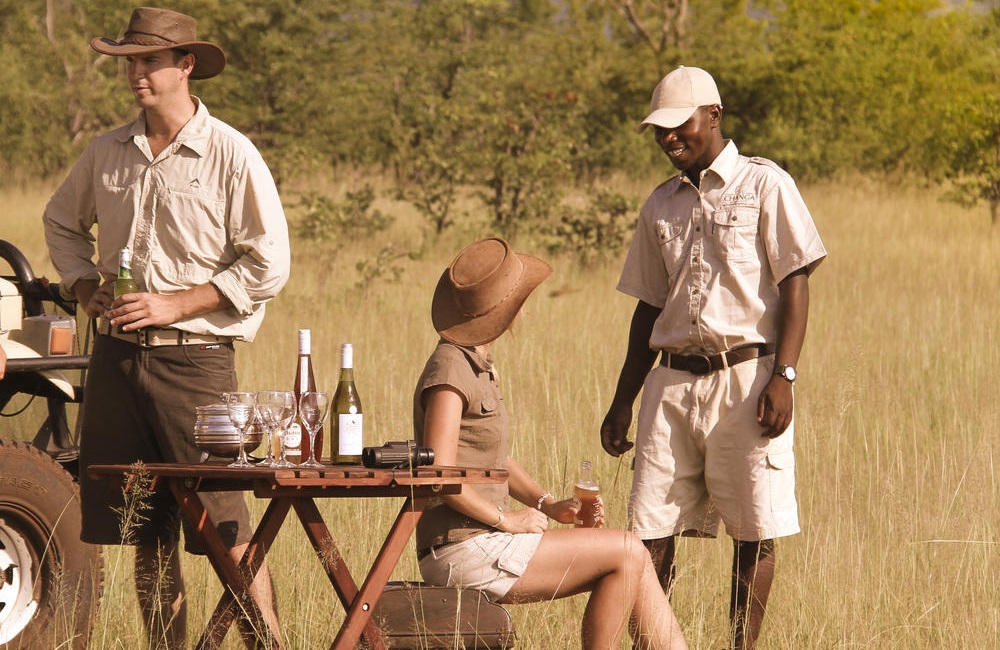
Carry your passport or identification at all times, especially if you qualify for resident conservation fee rates. Booking confirmations, gate permits, and accommodation details should be easily accessible, either printed or saved offline on your phone.
Bank cards are widely accepted at rest camps for fuel, restaurants, and shops, but carrying a small amount of cash is still recommended.
A printed or offline Kruger map helps with navigation, planning routes, and identifying picnic sites, rest camps, and waterholes.
Packing for Families and Children
Families visiting Kruger should pack additional snacks, refillable water bottles, hats, sunscreen, and light blankets for early morning drives. Children benefit greatly from having their own binoculars, wildlife checklists, or safari-themed books to stay engaged during longer drives.
Comfort items such as small pillows, favorite toys, or headphones can make downtime more relaxing, especially during midday breaks.
Seasonal Packing Considerations
During summer, prioritize lightweight clothing, breathable fabrics, rain protection, and strong insect repellent. Afternoon thunderstorms are common, and humidity can be high.
In winter, pack warmer layers, gloves for early morning drives, thicker socks, and thermal tops if you feel the cold easily. Days remain pleasant, but mornings and evenings can be chilly.
Regardless of season, sun protection and neutral clothing remain essential.
What You Should Avoid Packing
Formal clothing is unnecessary in Kruger National Park. Safari life is casual and practical. Camouflage clothing is discouraged, and loud patterns or bright colors should be avoided.
Heavy luggage is inconvenient, especially for self-drive safaris. Most rest camps provide basic amenities, so overpacking toiletries and household items is unnecessary.
Final Thoughts
Packing properly for a safari to Kruger National Park transforms your experience. The right clothing, accessories, and essentials allow you to focus on wildlife, scenery, and the rhythm of the bush rather than discomfort or missing items.
A well-packed safari bag ensures that every early morning drive, sunset sighting, and quiet moment in nature is enjoyed to the fullest.