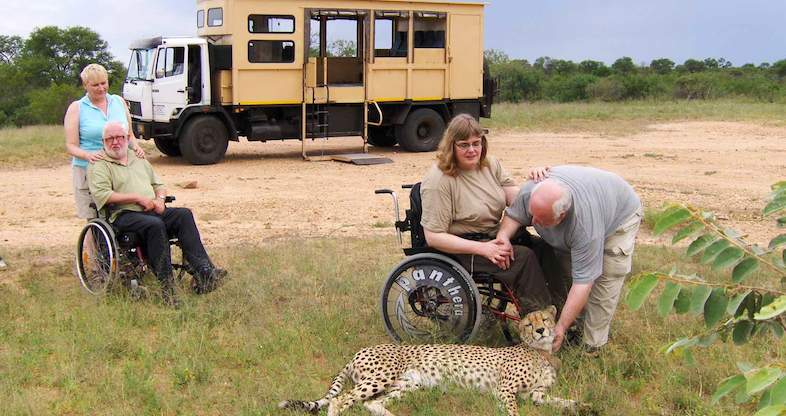
Kruger Park Safari Adventures for the Disabled
Kruger Park Safari Adventures for the Disabled, Kruger National Park stands out as one of Africa’s most accessible safari destinations for travelers with disabilities. The park’s excellent road network, well-developed rest camps, and inclusive design philosophy allow visitors with mobility challenges to enjoy authentic wildlife experiences with dignity, comfort, and independence. A safari in Kruger does not require physical exertion, making it especially suitable for travelers who rely on wheelchairs, walking aids, or assisted travel.
With thoughtful planning, Kruger delivers powerful wildlife encounters for disabled travelers without compromising safety or enjoyment.
Why Kruger National Park Works Well for Disabled Travelers
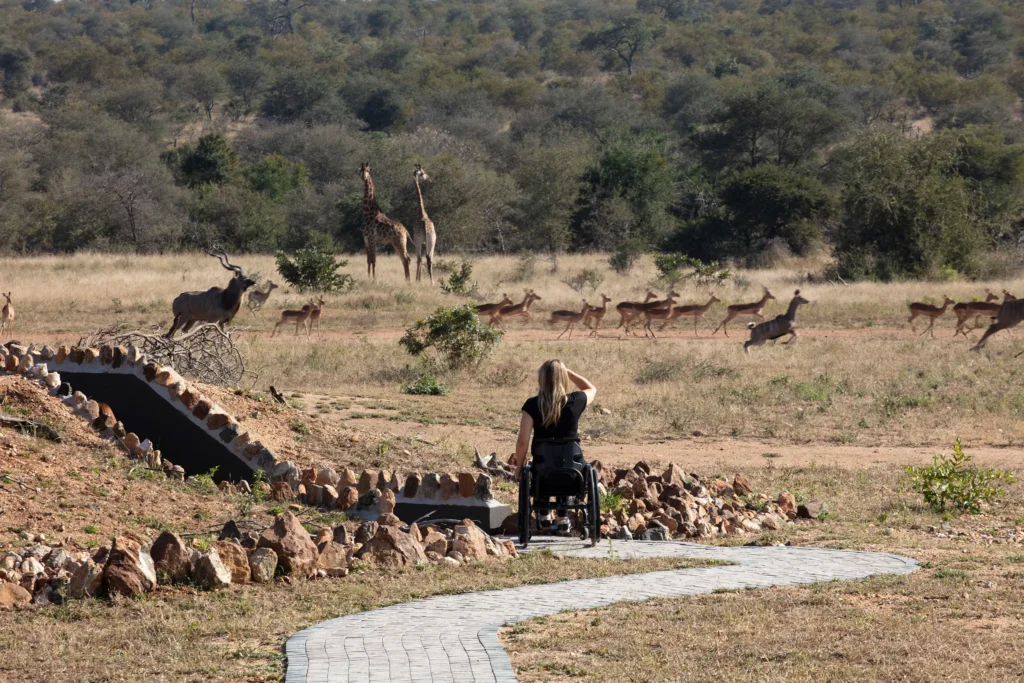
Kruger National Park allows wildlife viewing primarily from vehicles, which removes the need for walking or hiking. Travelers observe animals from cars or safari vehicles, often at close range, while remaining seated and comfortable. This structure makes Kruger one of the most disability-friendly safari destinations in Africa.
Well-maintained tar roads connect major wildlife areas, rest camps, picnic sites, and viewpoints. These roads reduce discomfort and allow smooth travel between sightings. Facilities across the park follow accessibility guidelines, especially in larger rest camps.
Accessible Accommodation in Kruger National Park
Several rest camps in Kruger offer specially designed accessible units. These accommodations include step-free entrances, wider doorways, roll-in showers, grab rails, and adapted bathrooms. Camps such as Skukuza, Lower Sabie, Satara, Berg-en-Dal, and Letaba provide the most reliable accessibility features due to their size and infrastructure.
Accessible accommodation allows disabled travelers to move independently within their units while enjoying the same wildlife-rich locations as other guests. Many of these units sit close to restaurants, shops, and parking areas, reducing travel distance and effort.
Wheelchair-Friendly Safari Experiences
Self-drive safaris work extremely well for disabled travelers in Kruger National Park. Visitors remain in their own vehicles throughout game drives and stop at designated viewpoints, river bridges, and waterholes that allow safe observation without exiting the car.
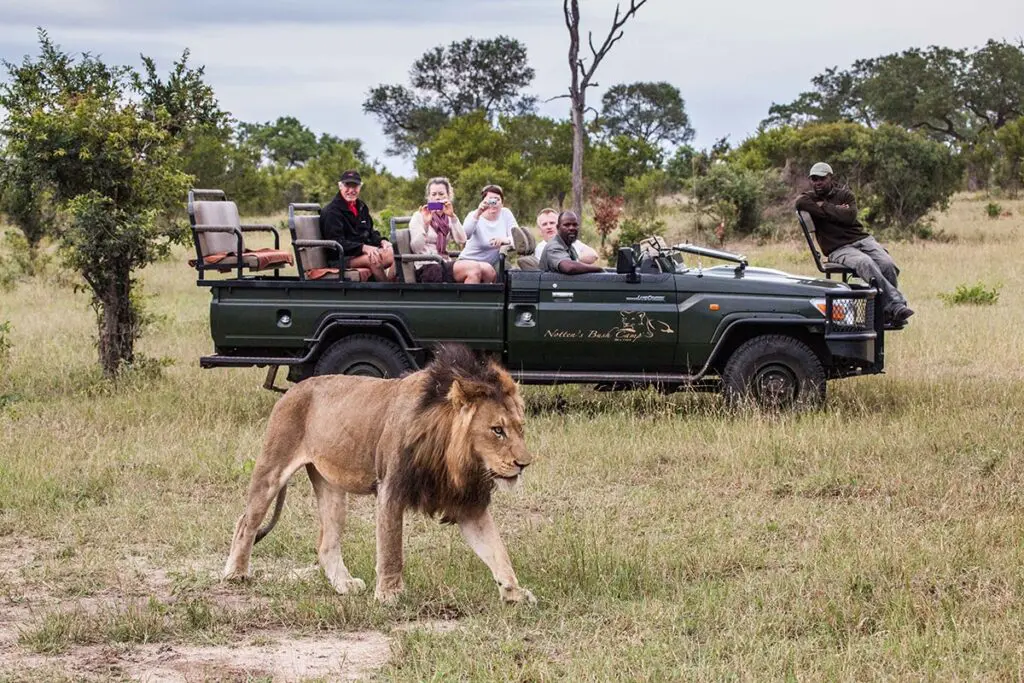
Guided safari drives also suit disabled travelers when arranged in advance. Some operators use vehicles with step access, removable seats, or adapted layouts that allow easier transfers. Guides adjust pace, routes, and timing to suit individual needs while still delivering excellent wildlife sightings.
Accessible Facilities and Rest Camps
Kruger rest camps provide wheelchair-accessible parking, paved pathways, adapted restrooms, and seating areas. Camp shops, restaurants, and fuel stations are designed with level access in mind. Several lookout points and picnic sites include ramps and firm surfaces that support wheelchair use.
Inside camps, disabled travelers enjoy wildlife sightings directly from camp fences, riverbanks, and viewing decks. Elephants, hippos, buffalo, and antelope frequently appear near camp boundaries, offering memorable wildlife moments without travel.
Safari Activities Suitable for Disabled Travelers
Daytime game drives form the core safari activity and suit disabled travelers exceptionally well. Early morning and late afternoon drives provide the best wildlife activity while avoiding extreme heat.
Birdwatching also works beautifully for disabled visitors, especially near rivers, dams, and camp perimeters. Kruger supports hundreds of bird species, many visible from accessible viewpoints and rest camp decks.
Photography thrives in Kruger for travelers with disabilities because wildlife often appears close to roads. Long lenses, vehicle window mounts, and slow-paced drives support high-quality wildlife photography without physical strain.
Planning and Support for Disabled Safaris
Advance planning plays a critical role in ensuring a smooth safari experience. Travelers should request accessible accommodation early, especially during peak seasons. Confirming bathroom layouts, bed heights, and access paths helps avoid unexpected challenges.
Traveling with a companion or caregiver improves comfort and flexibility, especially for transfers, meal times, and emergency support. Medical supplies, personal mobility equipment, and medication should always remain easily accessible.
Best Time for Disabled Travelers to Visit Kruger
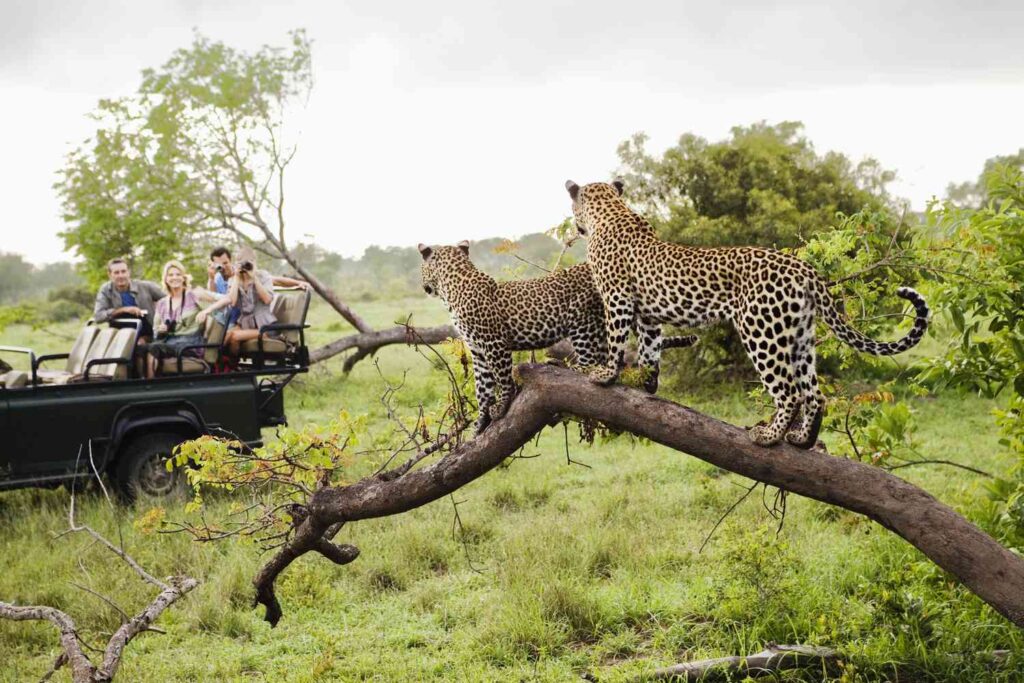
The dry winter months from May to September offer the most comfortable safari conditions for disabled travelers. Cooler daytime temperatures, reduced humidity, and fewer insects create a pleasant environment for extended game drives. Wildlife also concentrates around water sources during this period, increasing sightings without long drives.
Summer months remain possible but require careful planning due to heat and humidity. Air-conditioned accommodation and vehicles improve comfort during this season.
Safety and Comfort Considerations
Kruger National Park maintains strict safety regulations that benefit all visitors, including disabled travelers. Remaining inside vehicles outside designated areas ensures safety and eliminates physical risk. Emergency assistance and park staff remain accessible in major camps.
Travel insurance that covers medical evacuation adds an extra layer of reassurance. Carrying personal medical information and emergency contacts also improves preparedness.
Final Overview
Kruger Park safari adventures offer disabled travelers a rare opportunity to experience Africa’s wildlife without physical barriers. The park’s vehicle-based wildlife viewing, accessible accommodation, and inclusive facilities make it one of the most welcoming safari destinations on the continent.
With thoughtful planning and the right accommodation choice, disabled travelers enjoy the same powerful moments as any safari guest. Kruger National Park proves that safari adventures belong to everyone.