Conservation Fees in Kruger National Park – What You Need to Know
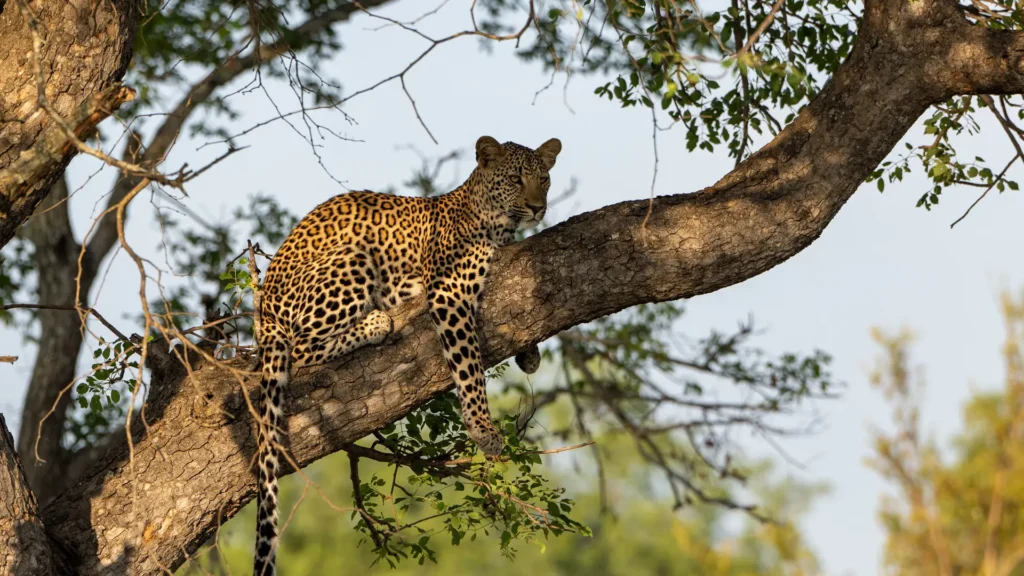
Conservation Fees in Kruger National Park, Conservation fees are mandatory for all visitors entering Kruger National Park. These fees play a critical role in protecting wildlife, maintaining infrastructure, supporting anti-poaching efforts, and funding conservation research across one of Africa’s most important protected areas. Paying conservation fees directly contributes to the long-term survival of Kruger’s ecosystems and wildlife populations.
What Are Conservation Fees?
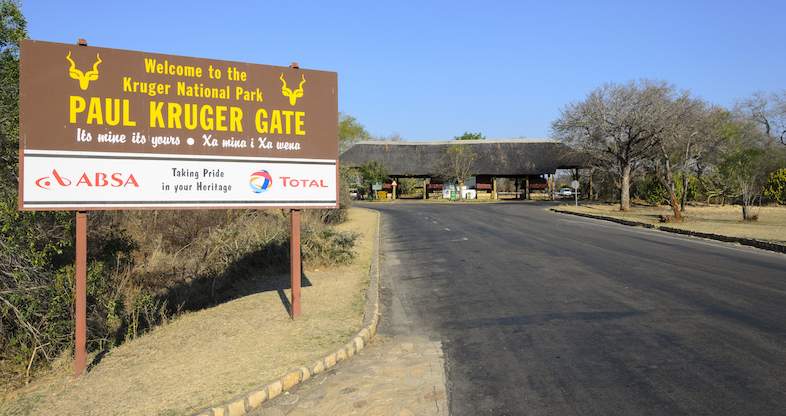
Conservation fees are daily entrance charges collected by SANParks for every person entering Kruger National Park. The fee is calculated per person, per day, and applies whether you are self-driving, joining guided game drives, or staying inside the park.
The fee grants legal access to the park, use of public roads, access to rest camps, and participation in general wildlife viewing activities.
Conservation Fee Categories
Kruger National Park applies different conservation fee rates based on visitor residency status. This system ensures accessibility for local visitors while maintaining sustainable funding from international tourism.
South African Citizens and Permanent Residents
Residents of South Africa benefit from significantly reduced conservation fees. A valid South African ID or proof of permanent residence is required at the gate.
SADC Nationals
Visitors from Southern African Development Community (SADC) countries pay a mid-range conservation fee. A valid passport from a SADC member state must be presented.
International Visitors
Non-African residents pay the highest conservation fee rate. These funds form a major part of Kruger’s conservation budget and directly support wildlife protection initiatives.
Conservation fees are charged per day, meaning multi-day visits require payment for each calendar day spent inside the park.
Children and Age Policies
Children also require conservation fee payment, although reduced rates usually apply for younger visitors. Age brackets and discounts are defined by SANParks and applied at the entrance gate.
How and Where to Pay Conservation Fees
Conservation fees can be paid at all official Kruger National Park entrance gates. Payment is typically accepted by card, and in some cases cash, depending on the gate.
Visitors who have pre-booked accommodation or activities inside the park still need to pay conservation fees separately unless the fee is explicitly included in their booking confirmation.
Frequent visitors may consider a SANParks Wild Card, which offers unlimited access to Kruger and other national parks for a fixed annual fee. This option is cost-effective for travelers planning multiple park visits within a year.
Why Conservation Fees Matter
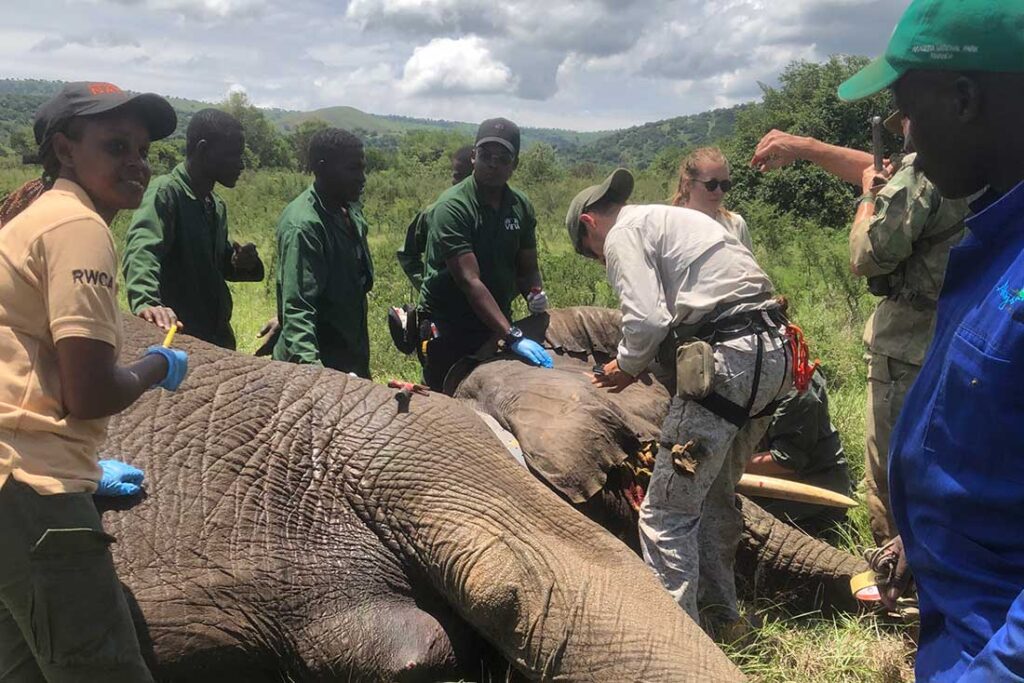
Every conservation fee paid supports essential work within Kruger National Park. These funds help finance ranger patrols, anti-poaching units, habitat management, road maintenance, scientific research, and community conservation programs around the park.
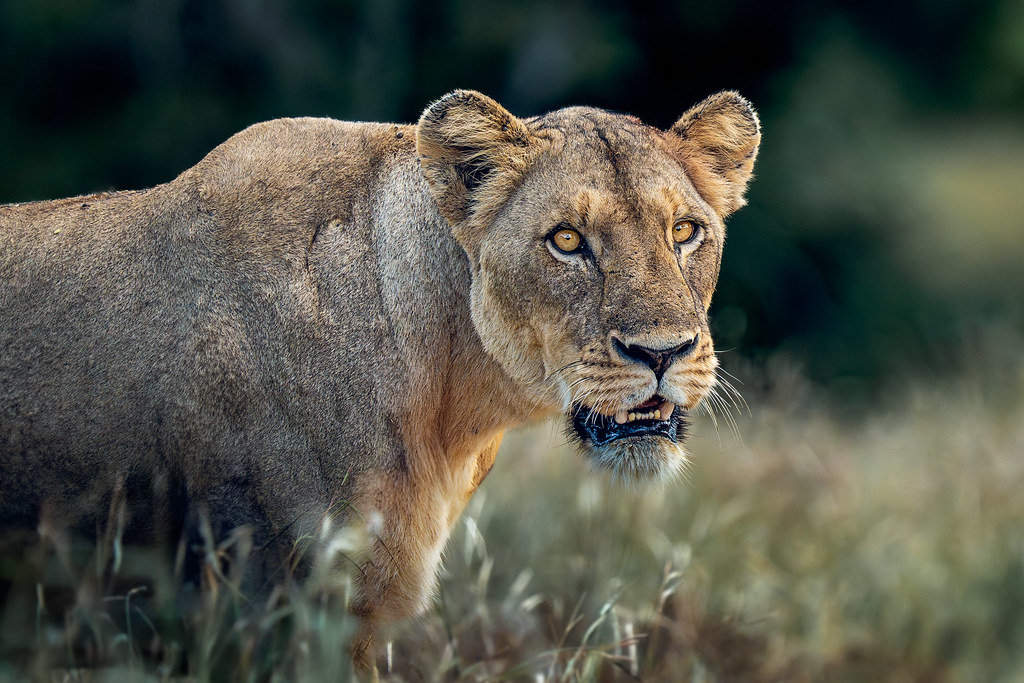
Without conservation fees, maintaining Kruger’s vast landscapes and protecting species such as rhino, elephant, lion, and leopard would not be possible at the current scale.
Important Things to Remember
Conservation fees are subject to change and are reviewed periodically. Visitors should confirm current rates before travel. Valid identification must be presented at the gate to qualify for resident or regional rates. Entry is only permitted during official gate opening hours, and fees must be settled before access is granted.
Final Thoughts
Paying conservation fees in Kruger National Park is more than an entrance requirement. It is a direct contribution to one of Africa’s greatest conservation success stories. Every visitor helps ensure that Kruger remains a thriving refuge for wildlife and a world-class safari destination for generations to come.