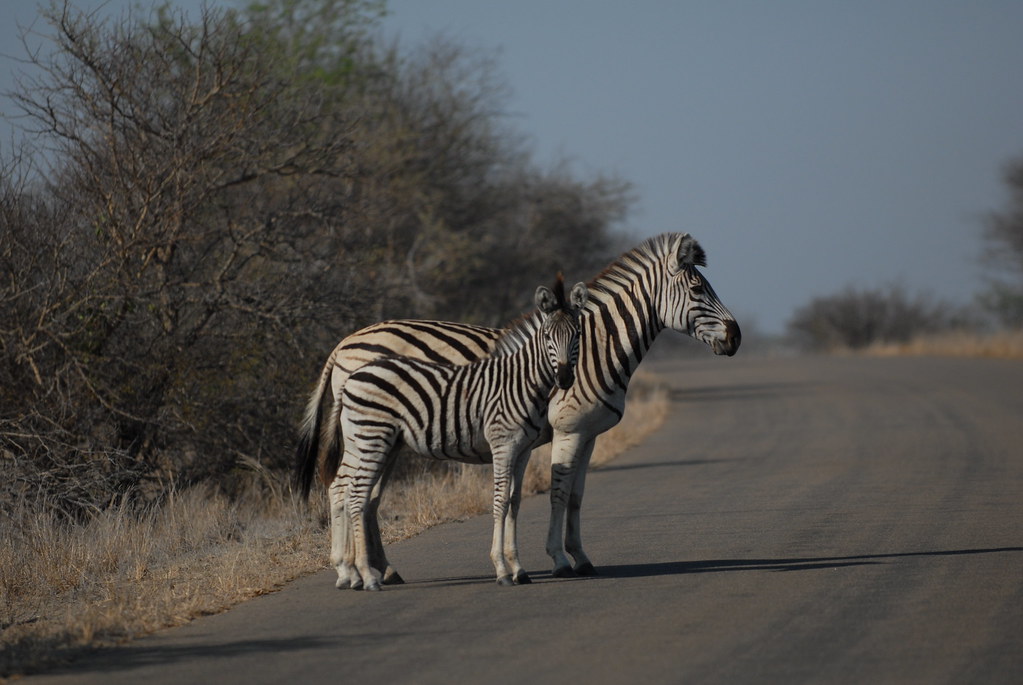
Best Time to Visit Kruger National Park – A Complete Seasonal Guide
Best Time to Visit Kruger National Park, Kruger National Park is a year-round safari destination, and . each season delivers a distinct wildlife experience. Whether you travel in the dry winter months for classic Big Five sightings or during the lush green summer for birdlife and newborn animals, Kruger never disappoints. The park has a hot, subtropical climate, with daytime temperatures often exceeding 25°C for much of the year.
Choosing the best time to visit depends on what you value most—game viewing, photography, birdwatching, scenery, or comfort.
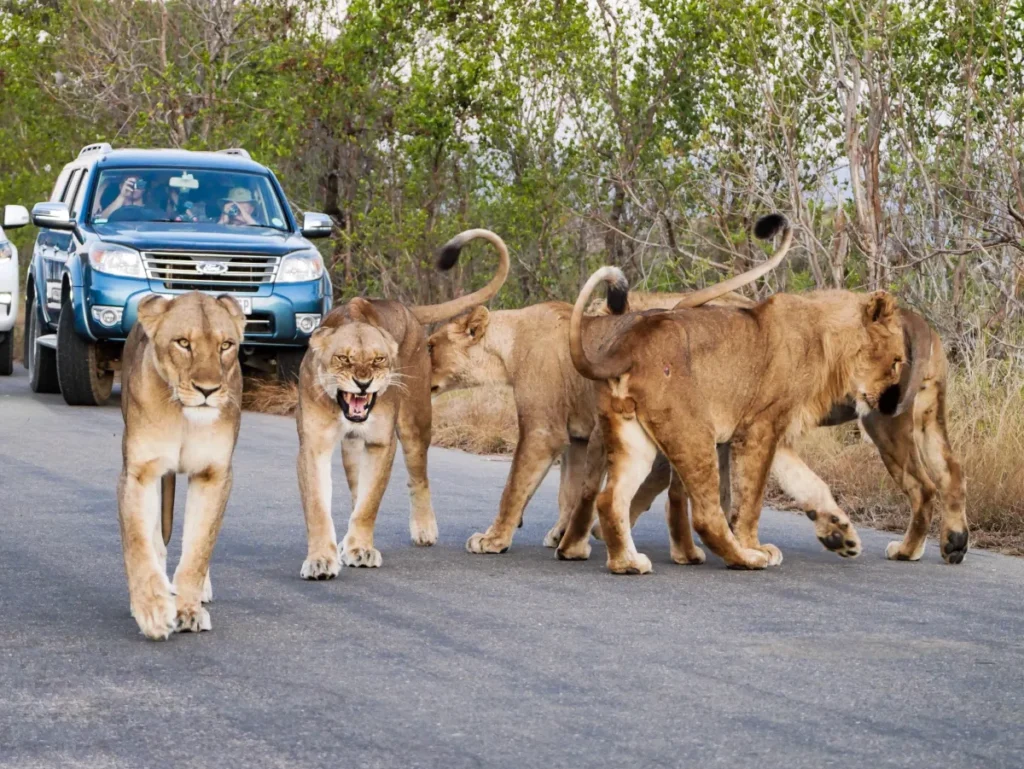
Summer in Kruger National Park (November to March)
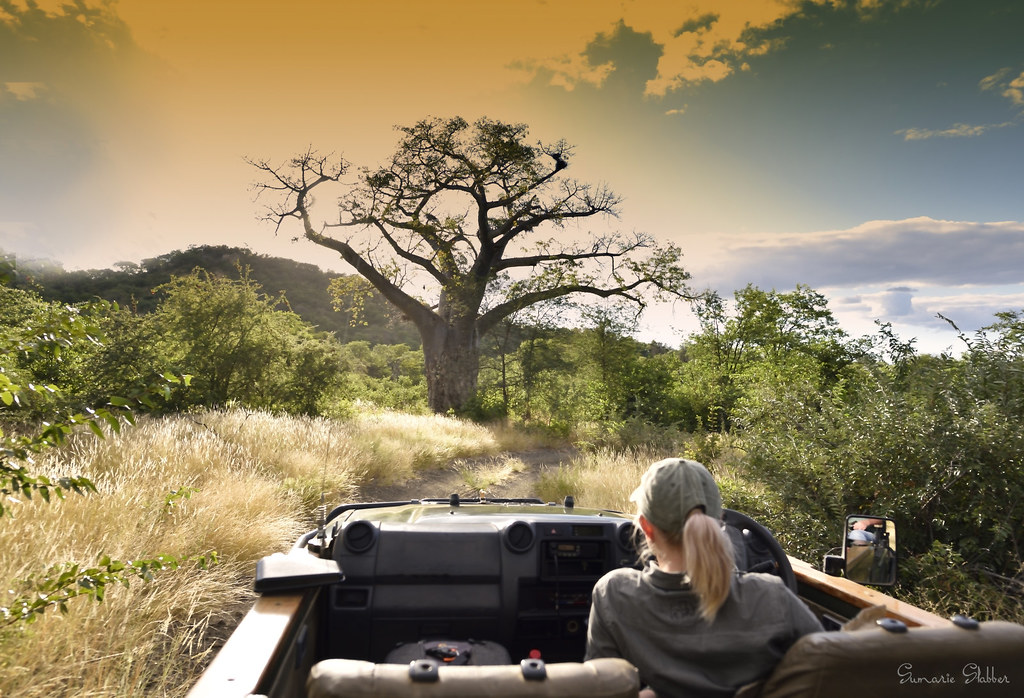
Summer marks the green season in Kruger National Park. This period brings rainfall, dramatic skies, and a transformation of the bushveld into a lush, vibrant landscape. Rivers and waterholes fill, grass grows tall, and trees burst into leaf, creating beautiful scenery but slightly reducing visibility for wildlife viewing.
Game viewing can be more challenging due to dense vegetation and the abundance of water, which allows animals to spread out. However, this season rewards patient visitors with unforgettable moments, especially during late November and December when many herbivores give birth. Seeing impala, wildebeest, zebra, and buffalo calves alongside protective mothers is one of Kruger’s most emotional wildlife experiences.
Birdwatching is exceptional in summer. Migratory species arrive from Europe and Asia, filling the park with color and calls. Raptors, bee-eaters, rollers, and cuckoos make this the best time for bird enthusiasts.
Daytime temperatures are hot and humid, often reaching 30–34°C. Afternoon thunderstorms are common and usually brief. Traveling in an air-conditioned vehicle and staying in lodges or camps with cooling systems greatly improves comfort. Camping is possible but can feel uncomfortable during peak heat and rainfall.
Typical summer temperatures
November: approximately 16–32°
December: approximately 18–34°C
January to March: approximately 18–34°C
Autumn in Kruger National Park (April)
April is a transitional month and one of the most underrated times to visit Kruger. Rainfall decreases, vegetation begins to thin, and the park slowly shifts from bright green to softer earthy tones. Wildlife visibility improves, while the landscape remains attractive and fresh.
Daytime temperatures stay warm, but nights become noticeably cooler. Scattered afternoon showers may still occur, though they are less frequent than in summer. April offers a balanced safari experience with fewer crowds, comfortable conditions, and improving game viewing.
April temperatures
Approximately 13–28°C
Winter in Kruger National Park (May to August)
Winter is widely considered the best time for game viewing in Kruger National Park. Rainfall stops almost entirely, water sources shrink, and wildlife concentrates around rivers, dams, and permanent waterholes. Vegetation becomes sparse, grass stays low, and trees lose leaves, creating excellent visibility during game drives.
Early mornings and evenings can be cold, especially on open safari vehicles, but daytime temperatures are mild and pleasant. Predator sightings improve as prey gathers at water sources, and big cats are easier to spot in the open terrain.
July to October is also a low-risk malaria period, as cold nights reduce mosquito activity. This makes winter particularly appealing for families and first-time safari travelers.
Typical winter temperature
- May: approximately 13–28°
- June: approximately 9–26°C
- July: approximately 9–26°C
- August: approximately 12–28°C
Spring in Kruger National Park (September to October)
Spring represents the peak of the dry season and delivers some of the most intense wildlife encounters in Kruger. Conditions are hot, dry, and dusty, and animals gather in high numbers around remaining water sources. This creates excellent opportunities for dramatic predator-prey interactions and concentrated game viewing.
Vegetation is sparse and colorless, but wildlife sightings are frequent and rewarding. By late October, the first rains may arrive, and the earliest signs of the green season begin to appear.
Temperatures rise sharply, especially in October, making midday game drives less comfortable. Early morning and late afternoon drives are ideal during this period.
Spring temperatures
- September: approximately 12–28°C
- October: approximately 16–32°C
So, When Is the Best Time to Visit Kruger?
There is no single best month to visit Kruger National Park—only the best time for your interests.
Winter is ideal for exceptional game viewing, photography, and comfortable daytime temperatures. Summer suits travelers who love lush landscapes, birdlife, dramatic skies, and witnessing newborn animals. Shoulder months like April and September offer a balance between scenery, wildlife visibility, and fewer crowds.
No matter when you choose to go, Kruger National Park delivers a powerful safari experience shaped by the rhythms of nature.